
Revenge trading begins when a loss continues to influence the next decision: patience falls, size changes or entry standards weaken in an attempt to recover, prove or repair what happened. It is not identified by frustration alone, but by a repeated gap between the plan and post-loss behaviour.
The most revealing data point from a loss may be the trade that follows it.
What revenge trading is and why it is not always obvious
Revenge trading means making a new decision under the influence of a previous loss and the urge to offset it. The clearest version is an immediate larger trade, but it can also appear as fewer confirmations, a different market, an entry outside working hours or resistance to closing a trade, which may also signal loss aversion.
Not every fast trade after a loss is revenge trading. If the next opportunity belongs to the trading plan, meets its conditions and keeps planned risk, timing alone proves nothing. The useful question is what changed and why.
The sequence matters more than the isolated trade
An aggressive entry may look exceptional on its own. If it repeatedly appears within thirty minutes of a loss, it stops being an anecdote and becomes a hypothesis.
Group trades by sequence: first trade of the session, trade after one loss and trade after two consecutive losses. Compare time to the next entry, risk per trade, setup quality and adherence to the rules.
Common signs of a reactive response
- Time between closing and entering again falls sharply.
- Position size rises to recover the loss in one attempt.
- Setups you would normally reject become acceptable.
- The stop moves because closing would make the loss feel final.
- Market, schedule or time frame changes without a planned reason.
- The session exceeds its maximum number of trades.
What research says about risk after a loss
Evidence does not support the claim that everyone takes more risk after losing. Some studies find greater risk seeking; others observe a more conservative response. Alex Imas showed that part of the difference may depend on whether the loss feels realised or remains mentally integrated into an open sequence.
The practical conclusion is not to diagnose your response from a general theory. Measure it. You may increase size to recover, reduce it through fear or keep size stable while decision quality deteriorates. Those responses tell different stories.
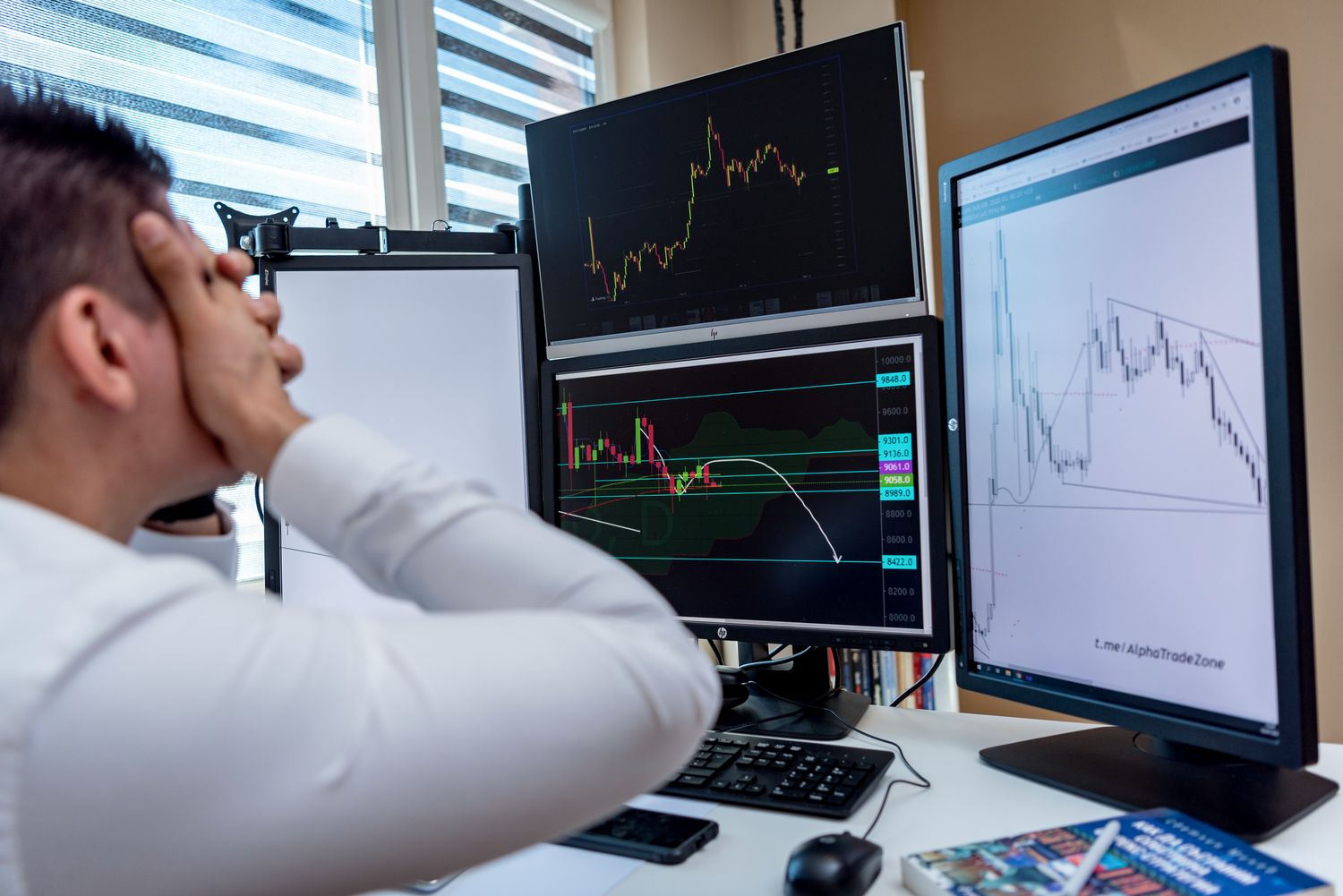
How to measure the post-loss effect
Compare normal risk with risk used after a loss. Add time to the next trade, number of setup conditions met, market changes and outcome in R.
Look for a consistent difference across several sessions. If base risk is 0.7% and rises to 1.2% after two losses in six of eight cases, you have a useful signal. If it happened once, you have an incident rather than a conclusion.
Also record the dominant emotion close to the decision. Emotion provides context, but the deviation should be described through observable behaviour: entering early, increasing size, moving the stop or ignoring a condition.
A twenty-minute post-loss protocol
First close the trade technically: save the chart, exit reason and any deviations. Then step away from the platform for a fixed period. Finally return and validate the next opportunity from scratch, without using the previous trade as evidence.
The pause is not a punishment or a universal calming technique. It is an operational barrier between emotion and action. If twenty minutes does not fit your time frame, use an equivalent condition: two candle closes, a new level or the next working window.
How to design a barrier you can follow
Useful barriers are visible and act before the behaviour: temporarily block new entries, require a complete checklist, keep risk inside the base band or end the session after a defined number of losses.
Avoid heroic rules such as “I will never trade impulsively again”. An operational rule includes a trigger and a response: “If I close a loss, I will wait for two five-minute candles before validating another entry.” The less it depends on internal negotiation, the easier it is to test.
Test the barrier for a limited period. Then include adherence in the weekly review and watch for side effects: an excessive pause may lead to chasing price, while an extreme size reduction may increase trade frequency.
What to do when the rule fails
If you re-enter too early, do not hide the incident or restart the experiment as though nothing happened. Record the waiting time, the check you omitted and the market condition used to justify the entry.
A useful rule does not demand immediate perfection. It should reveal adherence, the point of failure and the environmental change required. Evaluating execution quality separately from outcome prevents a profitable post-loss trade from turning a deviation into a supposedly good decision.
Separate a normal reaction from a dangerous pattern
Frustration after a loss is normal. Emotion is not the deviation. A pattern begins when it repeatedly changes a predefined decision: risk, trade selection, waiting time, frequency or management.
Check false positives. You may trade faster because volatility is producing nearby signals. Compare equivalent conditions in sessions without losses and build a comparable sample before attributing the change to the previous result.
Prioritise frequency, impact and the ability to intervene. One costly incident deserves immediate protection, but a moderate behaviour that appears seven times out of ten may define a clearer improvement mission.
How TRAZZA turns a post-loss sequence into evidence
The TRAZZA trading journal connects each loss with the trades that follow so you can compare time, risk, context, emotion and adherence to the plan. It does not decide whether revenge trading exists; it organises the cases needed to test the hypothesis without relying on memory.
Start with a concrete statement: “After two losses I wait less and accept incomplete setups.” Define the variables, review enough sequences and turn the finding into an observable mission for the next sessions.
The aim is not to eliminate every emotion or avoid every trade after a loss. It is to make the next decision belong to the method again, rather than to the need to repair the previous outcome.
Review checklist
- ✓Mark every trade that follows a loss.
- ✓Compare time, risk and setup quality with your baseline.
- ✓Separate observed emotion from executed behaviour.
- ✓Define a barrier with a trigger, response and duration.
- ✓Evaluate adherence and execution before profitability.
Frequently asked questions
What is revenge trading?+
It is a trading decision driven by the urge to recover or offset a previous loss. It may involve more risk, a rushed entry, weaker validation or more trades than planned.
How do I know whether I am revenge trading?+
Compare post-loss trades with your baseline: time to re-entry, size, risk, setup conditions and plan adherence. A repeated difference is more informative than one emotional session.
How long should I wait before trading again after a loss?+
There is no universal pause. Choose a barrier that fits your method—minutes, candle closes or a new working window—and test whether it lets you validate the next opportunity from scratch.
Is increasing risk after a loss always revenge trading?+
Not necessarily. A change may follow a rule defined before entry. It becomes reactive when it serves the urge to recover, lacks a prior reason or breaks the planned risk band.
Can a trading journal help stop revenge trading?+
Yes. It can compare sequences, reveal post-loss changes and measure adherence to a barrier. A journal does not remove the impulse, but it turns an impression into evidence and an intention into a testable rule.